Healthy plants can still show signs of stress, and when they do, it’s important to identify the problem early. Learning how to diagnose plant problems helps you save your plants before issues become serious. Whether you’re growing indoor houseplants or a garden, this guide will help you understand what your plant is trying to tell you.
1. Start by Observing the Plant Closely
The first step in diagnosing any plant issue is careful observation. Look at the entire plant, not just one area.
Check for:
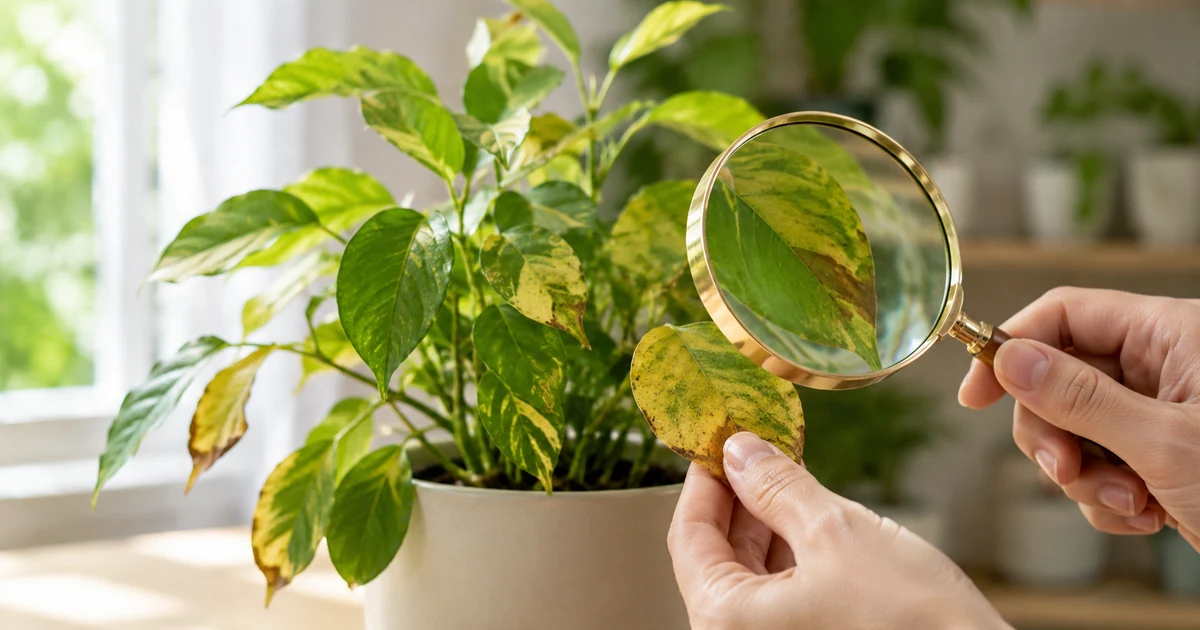
- Yellow or brown leaves
- Drooping or wilting stems
- Spots, holes, or discoloration
- Slow or no growth
- Dry or mushy soil
Each symptom is a clue, but visual symptoms alone rarely confirm one cause. Note where symptoms appear, how quickly they developed, and whether recent care or environmental conditions changed.
2. Check Watering Habits
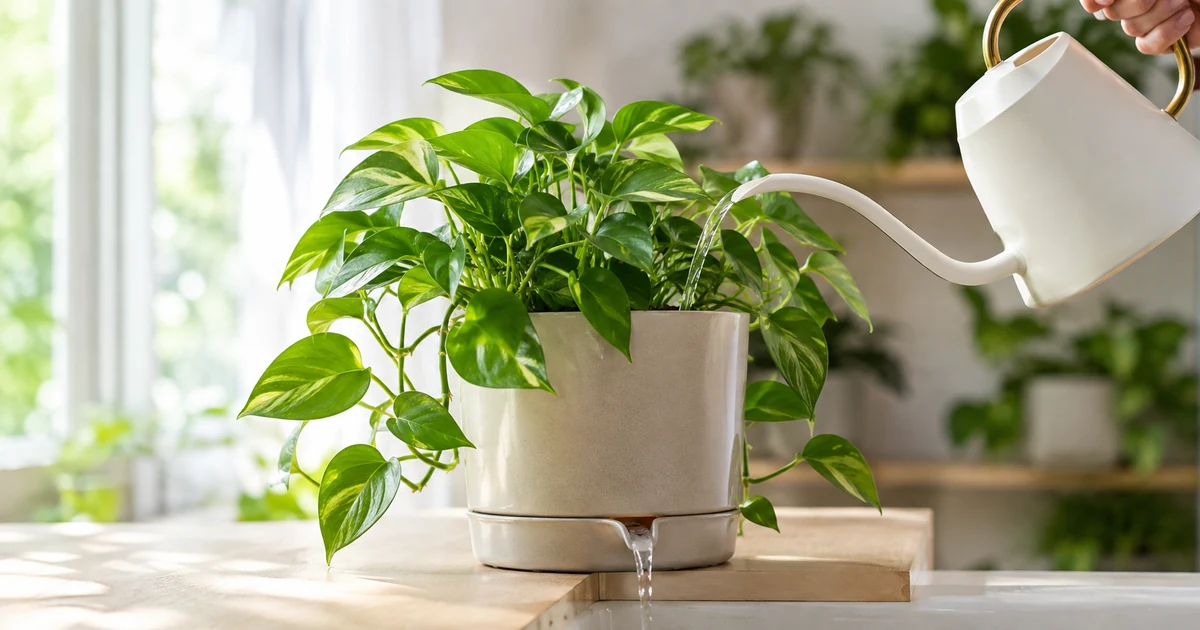
Watering problems are among the most common causes of plant stress, but similar symptoms can also result from light, temperature, pests, disease, or root damage.
Possible signs of excess moisture:
- Yellow leaves
- Soft, mushy stems
- Fungus or mold on soil
- Root rot smell
Possible signs of dry conditions:
- Dry, crispy leaves
- Wilting even when soil is dry
- Soil pulling away from pot edges
Always check the soil before watering. Stick your finger 1–2 inches deep to feel moisture levels, and consider the pot's drainage and the condition of the roots. A wilted plant with dry soil may need water, while wilting in persistently wet soil may indicate damaged or waterlogged roots.
3. Inspect Light Conditions
Light plays a major role in plant health.
- Too much direct sunlight can burn leaves
- Too little light may contribute to slow growth and pale leaves
Move your plant based on its needs:
- Bright indirect light for most indoor plants
- The recommended amount of direct light for the specific succulent or cactus
- Low light for shade-tolerant plants
4. Look for Pests
Insects can quickly damage plants if not treated early.
Common pests include:
- Aphids
- Spider mites
- Mealybugs
- Whiteflies
Clues that may indicate a pest infestation:
- Tiny moving insects
- Sticky residue on leaves
- Webbing or holes in leaves
If you find a pest, isolate the plant, identify it, and choose a treatment that is appropriate for both the pest and the plant. Follow the label when using products such as insecticidal soap or horticultural oil.
5. Check Soil and Drainage
Poor soil quality or drainage can stress plants.
- Compacted soil restricts root growth
- Poor drainage increases the risk of root damage and rot
- Nutrient problems may contribute to weak growth
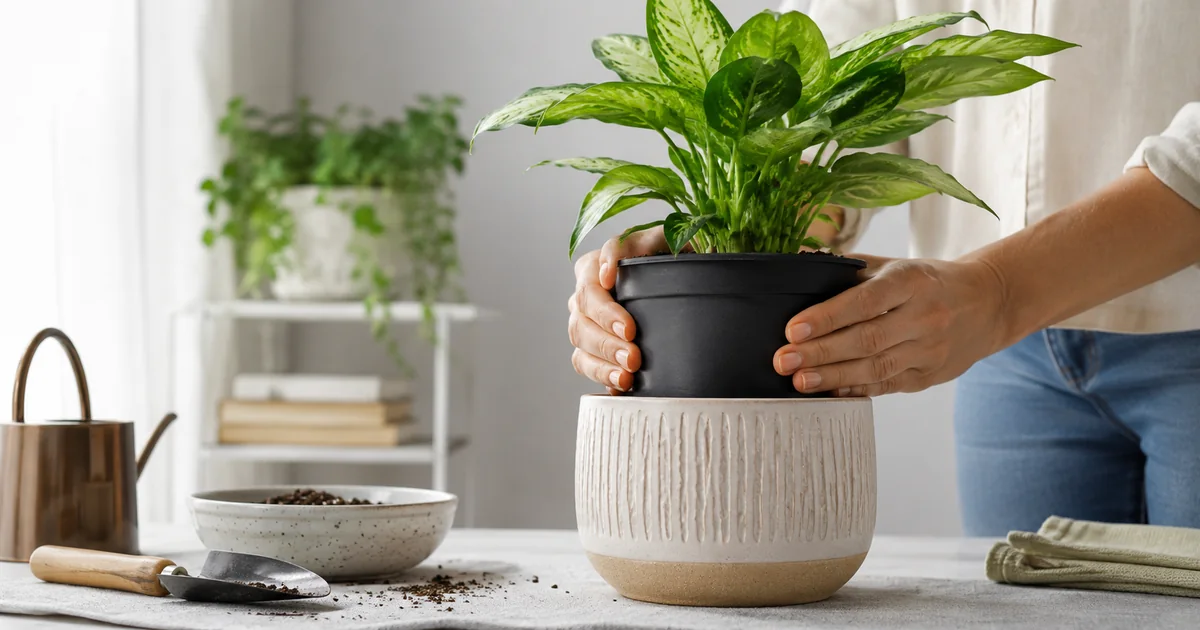
Make sure pots have proper drainage holes and use well-aerated soil mix.
6. Evaluate Nutrient Deficiency
Plants need nutrients to stay healthy, but leaf color alone cannot confirm a specific deficiency.
Possible nutrient-related symptoms include:
- Yellow or pale leaves
- Purple or unusually dark foliage
- Brown leaf edges
These symptoms can also result from watering problems, unsuitable soil pH, root damage, salt buildup, light, or temperature stress. Check the plant's growing conditions, roots, and fertilizer history first. If a nutrient problem still seems likely, a soil or tissue test can help confirm it. Fertilize according to the plant's needs and the product label rather than treating symptoms automatically.
7. Consider Environmental Stress
Changes in environment can shock plants.
Factors include:
- Sudden temperature changes
- Low humidity
- Drafts from fans or AC
- Repotting shock
Try to keep conditions stable and avoid frequent relocation of plants.
Conclusion
Diagnosing plant problems is about observation, context, and recognizing patterns. By checking watering habits, drainage, roots, light, pests, soil health, fertilizer history, and recent environmental changes, you can narrow down the possible causes without relying on one symptom alone. If the cause remains unclear or the problem continues to spread, seek help from a local extension service or plant diagnostic clinic.