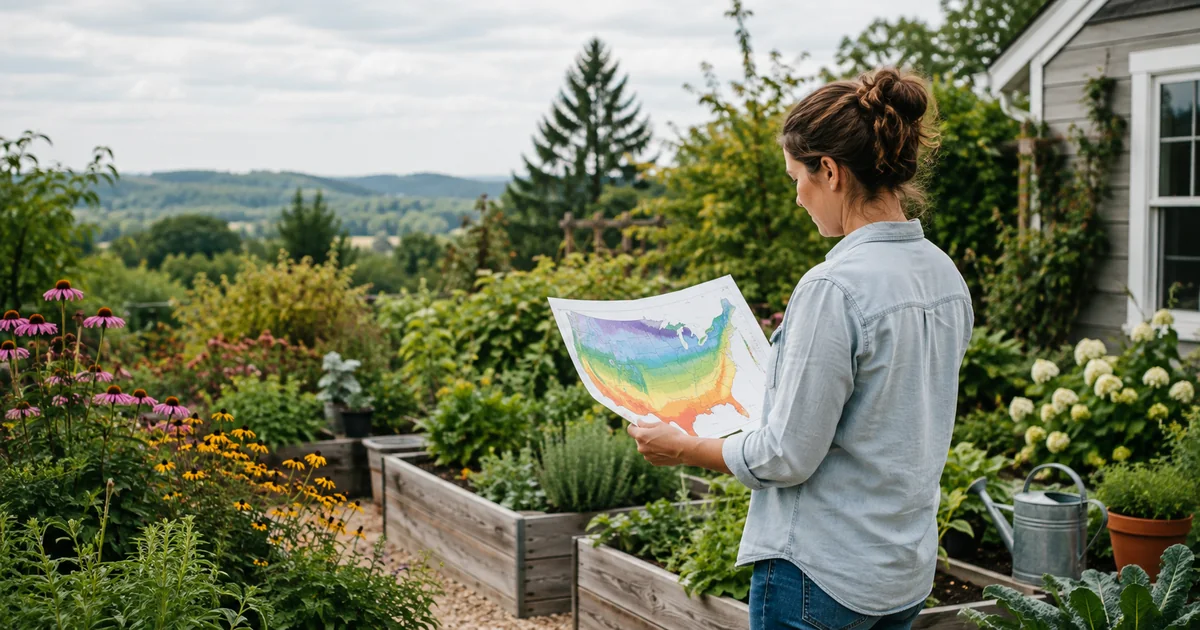
One of the first questions every gardener should ask is, "What zone am I in for gardening?" Knowing your gardening zone helps you choose plants that are most likely to thrive in your local climate, reducing the risk of plant loss due to extreme temperatures.
Whether you're planting flowers, vegetables, shrubs, or trees, understanding your plant hardiness zone is the foundation of a successful garden.
In this guide, you'll learn what gardening zones are, how to find yours, and how to use this information to grow healthier plants year-round.
What Is a Gardening Zone?
A gardening zone, also called a plant hardiness zone, is a geographic area defined by its average annual extreme minimum winter temperature. This is not the average winter temperature, the lowest temperature ever recorded, or a measure of summer climate.
These zones help gardeners determine which plants can survive the winter in their region. The USDA Plant Hardiness Zone Map covers the United States—including Alaska and Hawaii—and Puerto Rico using 13 primary zones.
Each full USDA zone spans 10°F (5.6°C) and is divided into two 5°F half-zones identified by lowercase letters, such as 6a and 6b. These subdivisions account for slightly colder or warmer conditions within the same full zone.
Why Is Knowing Your Gardening Zone Important?
Knowing your gardening zone allows you to:
- Choose plants that can survive your local winters.
- Avoid wasting money on unsuitable plants.
- Plan your planting schedule more effectively.
- Improve plant health and longevity.
- Increase your garden's success rate.
Even experienced gardeners rely on hardiness zones before purchasing new plants.
How Do I Find My Gardening Zone?
Finding your gardening zone is easy.
1. Use Your U.S. ZIP Code
The fastest method in the United States is entering your U.S. ZIP code into the official USDA Plant Hardiness Zone Map.
The lookup will show your USDA hardiness zone.
2. Check the USDA Plant Hardiness Zone Map
If you're in the United States, locate your state on the USDA map to identify your zone.
3. Use Local Gardening Resources
Many countries have regional hardiness maps designed specifically for their climate.
Examples include:
- Canada Plant Hardiness Zones
- UK RHS Hardiness Ratings
- Australia's Climate Zones
USDA Plant Hardiness Zones Explained
Here's a simplified overview:
| Zone | Average Annual Extreme Minimum Temperature |
|---|---|
| 1 | -60°F to -50°F |
| 2 | -50°F to -40°F |
| 3 | -40°F to -30°F |
| 4 | -30°F to -20°F |
| 5 | -20°F to -10°F |
| 6 | -10°F to 0°F |
| 7 | 0°F to 10°F |
| 8 | 10°F to 20°F |
| 9 | 20°F to 30°F |
| 10 | 30°F to 40°F |
| 11 | 40°F to 50°F |
| 12 | 50°F to 60°F |
| 13 | 60°F to 70°F |
What Can You Grow in Each Zone?
Although thousands of plants exist, here's a general idea:
Zones 3–5
Ideal for:
- Apples
- Peonies
- Lilacs
- Spinach
- Kale
- Potatoes
Zones 6–7
Suitable for:
- Roses
- Blueberries
- Tomatoes
- Carrots
- Hydrangeas
- Hostas
Zones 8–9
Popular choices include:
- Citrus trees
- Lavender
- Rosemary
- Peppers
- Eggplants
- Camellias
Zones 10–13
Excellent for:
- Mango
- Banana
- Hibiscus
- Bougainvillea
- Avocados
- Tropical palms
Gardening Zone vs. Climate Zone
Many people confuse gardening zones with climate zones.
Here's the difference:
Gardening Zone
Based only on the average annual extreme minimum winter temperature.
Climate Zone
Considers:
- Rainfall
- Humidity
- Heat
- Growing season
- Wind
- Seasonal changes
This means two locations in the same USDA zone may require different gardening practices due to differences in rainfall or summer heat.
Gardening Zone Isn't the Only Factor
Your hardiness zone is important, but also consider:
Soil Type
Healthy soil improves drainage, nutrients, and root development.
Sunlight
Some plants require:
- Full sun (6–8 hours)
- Partial shade
- Full shade
Rainfall
Natural rainfall affects watering schedules.
Frost Dates
Knowing your area's first and last frost dates helps determine the best planting times.
Microclimates
Areas near walls, slopes, ponds, or buildings may be warmer or cooler than your overall gardening zone.
Can Gardening Zones Change?
Yes.
The current 2023 USDA Plant Hardiness Zone Map is based on temperature data from 1991–2020 and updated the previous 2012 map.
Differences between editions can reflect newer temperature observations, more weather stations, and improved interpolation and mapping methods.
If you've lived in the same area for years, it's worth checking whether your zone has changed before planting.
Best Plants for Beginners by Zone
Zone 5
- Coneflowers
- Daylilies
- Lettuce
- Radishes
Zone 6
- Tomatoes
- Lavender
- Hostas
- Black-eyed Susans
Zone 7
- Cucumbers
- Peppers
- Hydrangeas
- Blueberries
Zone 8
- Herbs
- Citrus
- Salvia
- Crepe Myrtle
Zone 9
- Hibiscus
- Bougainvillea
- Okra
- Basil
Common Gardening Zone Mistakes
Avoid these common errors:
- Buying plants without checking their hardiness rating.
- Assuming nearby cities share the same zone.
- Ignoring sunlight requirements.
- Planting too early before the last frost.
- Forgetting local soil conditions.
Frequently Asked Questions
What zone am I in for gardening?
Your gardening zone depends on your location. In the United States, enter your U.S. ZIP code in the official USDA Plant Hardiness Zone Map. In other countries, check the appropriate national or regional hardiness map.
Is USDA Zone the same everywhere?
No. The USDA Plant Hardiness Zone Map is designed for the United States. Other countries often use their own hardiness or climate classification systems.
Can I grow plants outside my zone?
Yes, but they may require extra care, such as winter protection, mulching, or container growing so they can be moved indoors during cold weather.
Do vegetables have gardening zones?
Vegetables are usually grown as annuals, so they depend more on frost dates and growing seasons than on hardiness zones. However, knowing your zone still helps you plan when to sow and transplant.
Can climate change affect gardening zones?
Long-term temperature changes can affect hardiness zones, but differences between map editions can also reflect newer observations, expanded weather-station coverage, and improved mapping methods. Zone shifts alone should not be treated as proof of broader climate change.
Final Thoughts
If you've ever asked, "What zone am I in for gardening?", you're already taking the first step toward a healthier, more productive garden. Your hardiness zone helps you choose plants suited to your local winter temperatures, but successful gardening also depends on factors like soil quality, sunlight, moisture, and seasonal timing.
By understanding your gardening zone and pairing it with good planting practices, you'll be well equipped to grow flowers, vegetables, herbs, and trees that flourish year after year.