Fertilizers are substances used to supplement soil nutrients and support healthy plant growth. They provide key nutrients that may be missing or insufficient in the soil. Fertilizers are sometimes described as plant food, although plants produce their own food through photosynthesis.
Why Fertilizers Are Important for Plants
Plants require nutrients from the soil to grow properly. However, soil does not always contain enough nutrients, especially after repeated farming or gardening.
The three most important nutrients are:
- Nitrogen (N): Promotes healthy leaf and stem growth
- Phosphorus (P): Supports strong root development and flowering
- Potassium (K): Improves plant strength, disease resistance, and fruit quality
These nutrients are commonly known as NPK, and most fertilizers are labeled with their NPK ratio.
Types of Fertilizers
1. Organic Fertilizers
Organic fertilizers come from natural sources and improve soil health over time.
Common examples include:
- Compost
- Cow dung manure
- Vermicompost
- Bone meal
Benefits of organic fertilizers:
- Improve soil structure and fertility
- Release nutrients slowly and steadily
- Can support soil health when used correctly
2. Chemical (Inorganic) Fertilizers
Chemical fertilizers are manufactured to provide quick and concentrated nutrients to plants.
Examples include:
- Urea
- NPK fertilizer blends
- Ammonium nitrate
Benefits of chemical fertilizers:
- Make nutrients available relatively quickly
- Easy to apply and measure
- Effective for correcting nutrient deficiencies quickly
How Fertilizers Work
Fertilizers dissolve in water and are absorbed by plant roots. Once absorbed, nutrients help plants by:
- Producing chlorophyll (green color)
- Strengthening roots and stems
- Improving flowering and fruiting
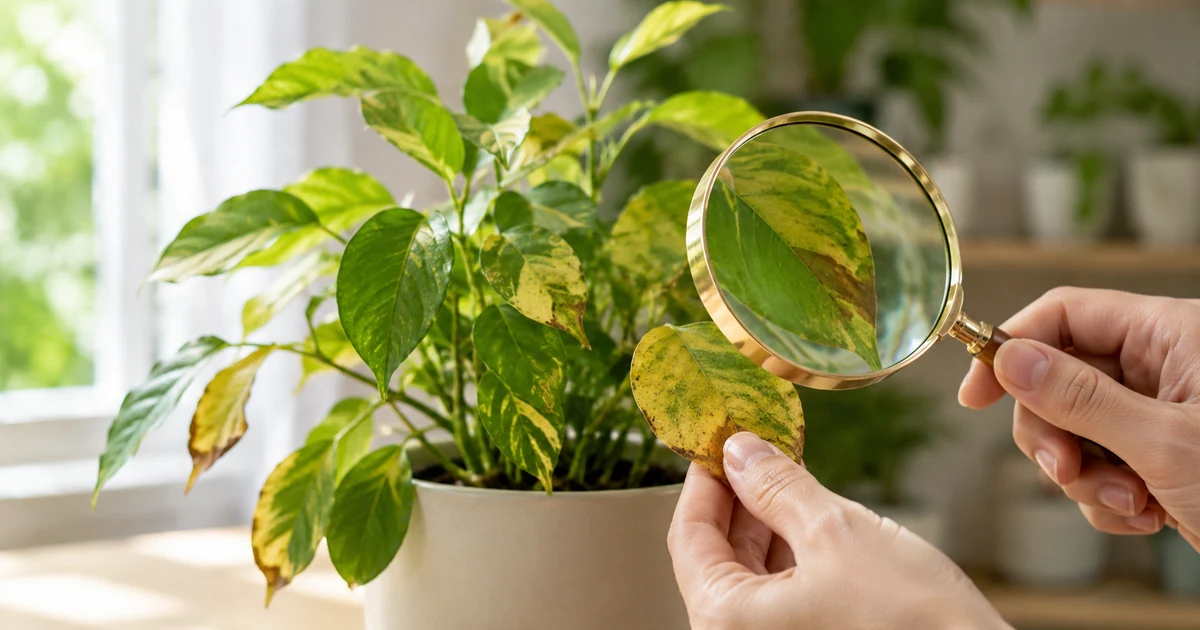
Without proper nutrients, plants become weak, yellow, and slow-growing.
When and How to Use Fertilizers
Fertilizer may be appropriate when:
- A soil or tissue test identifies a nutrient deficiency
- The plant is actively growing and its care guidance recommends feeding
- Potting mix has been depleted over time
- The product label and the plant's specific needs support an application
Yellow leaves or weak growth can also result from watering, light, root, soil pH, or temperature problems. Check the plant's overall growing conditions rather than treating these symptoms with fertilizer automatically.
⚠️ Avoid over-fertilizing, as it can damage roots and reduce plant health.
Conclusion
Fertilizers can support healthy plant growth by supplying nutrients that soil alone may not provide. Choosing an appropriate fertilizer and following its label can support roots, foliage, flowering, and fruit production without overfeeding the plant.